There’s always been some controversy about content warnings, whether they come in the form of #TW: tags, the annoying little black box in the corner of your screen when you’re watching a TV show, or that stupid R-rating that (should) keep children out of a mature movie.
Some people call content warnings a form of censorship; for my part, I view them like labels on foods at a buffet. As much as I love spicy things, I’d like to know that something’s spicy before I eat it– especially if I just drizzled it all over my ice cream. In the same vein, something dark or disturbing can be really thought-provoking or even cathartic when you’re expecting it, but can completely ruin your day if aren’t.
Oddly enough, books rarely come with warnings. So I’ll be compiling a list of (as much as possible) spoiler-free warnings for each book. I’ll try to get the ones I notice, but if there are any that I missed, I welcome any contributions that my readers might catch.
Here there be spoilers
The Dealmaker’s Gambit
Body Horror
Gore
Police Brutality
Riots and Violent Riot Control
Torture
Forced Servitude
Loss of Bodily Autonomy
Tatter and Shine
Body horror
Gore
Explosions
Aftermath of war
Loss of bodily autonomy
Urban Dragon
The entire series is rife with examples of:Book 1: Mark of the Dragon
It’s a go-to joke that’s so old that you rarely see an actor depicted who doesn’t spout the line, but it really is important. Every character needs a reason why they do things. Is the villainous henchman a true believer, or like in Iron Man 3, doe he only work with the villains for the paycheck? Is the hero in it for the abstract ideals of Truth and Justice(tm), because they want to save the person they love, or out of a desire for riches or glory? Kurt Vonnegut famously said in his rules of writing that “Every character should want something, even if it is only a glass of water.”
But I think we can do better.
Good goals are specific and concrete.
Abstractions are vague and, frankly, boring. When you’re looking for “love”, are you fantasizing about a hardworking man who will live in the suburbs and work while you raise your two point five children, or are you aiming for a charming outlaw biker to be your leather-clad trophy husband? When you’re looking for “freedom”, are you hoping for the freedom to become a doctor in a society that doesn’t allow members of your class to pursue medicine? Are you looking for an escape from an arranged marriage you’re not ready for? Are you looking for freedom from a specific abusive person who controls your life? Are you looking for freedom from the laws of physics? (Good luck with that last one, hon.)
When you spell out the concrete goal, it’s automatically tailored to the character’s story. Already they’re that much more unique than they were before.
Having a specific stated goal also allows for nuance in the outcome.
Maybe you got that American Dream nuclear family you were looking for, but learned it wasn’t quite what you hoped. Maybe you didn’t get that biker babe you were hoping to score, but fell in love with the open road instead.
Having a specific goal also helps you lay out the plans to achieve it.
Writer, character, and reader alike can sit back and ask how they intend to attract charming outlaws if they’re never going to set foot in a biker bar, whereas something as abstract as “love” really has no real steps you can take to attain it.
And that’s the single most important thing about a character’s motivation:
It’s only your motivation if you’re actively working toward it. Otherwise, it’s nothing but a daydream.
When I read The Art of Wishing by Lindsay Ribar, I found myself getting angry– a pacing, seething, hissing fury.
Not because I didn’t like the book, mind you. I absolutely loved it. And one of the things I loved most about the book is the very thing that inspired my outrage. (more…)
You can enter until August 9th, at which point the winners will be selected.
Why would I want to?
Aside from getting the first three stories for absolutely free, you’ll be getting them before everyone else. The first paperback volume won’t hit the shelves until October 15th, so you’ll get to find out everything that happens early.
And most importantly:
What does it cost?
Absolutely nothing, though adding the book to your “want to read” shelf is always appreciated.
If you’ve applied for a job online in the past fifteen years or so, you’ve probably had to take one of those awful personality tests.
You know the ones. They come with statements like “I enjoy meeting new people” and “I sometimes make mistakes”, and then you have to select whether you “strongly disagree”, “disagree”, are “unsure”, “agree”, or “strongly agree”, or any of about a dozen permutations of that whole rigmarole.
It’s a kind of absolutist thinking that really doesn’t work well with writers.
See, as soon as you give me a statement like “shoplifting is always wrong,” I immediately think of Jean Valjean spending nineteen years in prison because he stole a loaf of bread to feed a starving child.
Any kind of blanket statement is going to come with exceptions and fuzzy areas. This is one of the reasons why contract law is so damn complicated– because it tries to guess at every possible scenario and deal with them all at the same time.
What does this have to do with writing?
Stories in which all things are absolute can get two-dimensional and boring. Especially when the thing being decried is a particular behavior, it can feel like a bad after-school special (do you guys remember those? Do those still exist?), or they can feel like straw man arguments. If they’re about groups of people, they can come across as racist, sexist, etc (depending on the kind of group being identified).
The easiest way to combat this is to show exceptions to a given rule.
We’re told that all people from the Capitol are shallow and lack empathy, but then we meet Effie and Cressida.
We’re told all Death Eaters are fanatical and evil, but then Narcissa Malfoy saves Harry’s life.
We’re told all Masks are ruthless and terrifying, but then we meet Elias and Helene.
We’re told all Hobbits want to live calm quiet lives where they can smoke and eat and be at peace, but then we have Bilbo running off on adventures with complete strangers, and then we meet Frodo, Sam, Merry and Pippin who are all adventurous in their own right.
When a rule has exceptions, it opens the door to so many possibilities. Instantly there’s an opportunity for conflict (it can be as small as other Hobbits finding Bilbo weird, or as big as betraying one cause to fight for another). We have a chance to see a more diverse scope of perspectives. Characters and settings have the chance to feel more nuanced and multi-dimensional. There’s even a chance to consider why a rule applies to some elements and not others (is Bilbo adventurous because he’s got Took in him, or because he grew up on Gandalf’s stories, or is it something else altogether?) (Why did Narcissa join the Death Eaters in the first place? Was she ever a believer?) It also opens up the idea that other exceptions exist that we haven’t come across yet.
In sum, it invites the writer and the reader both to engage in critical thinking. And that’s always a good thing.
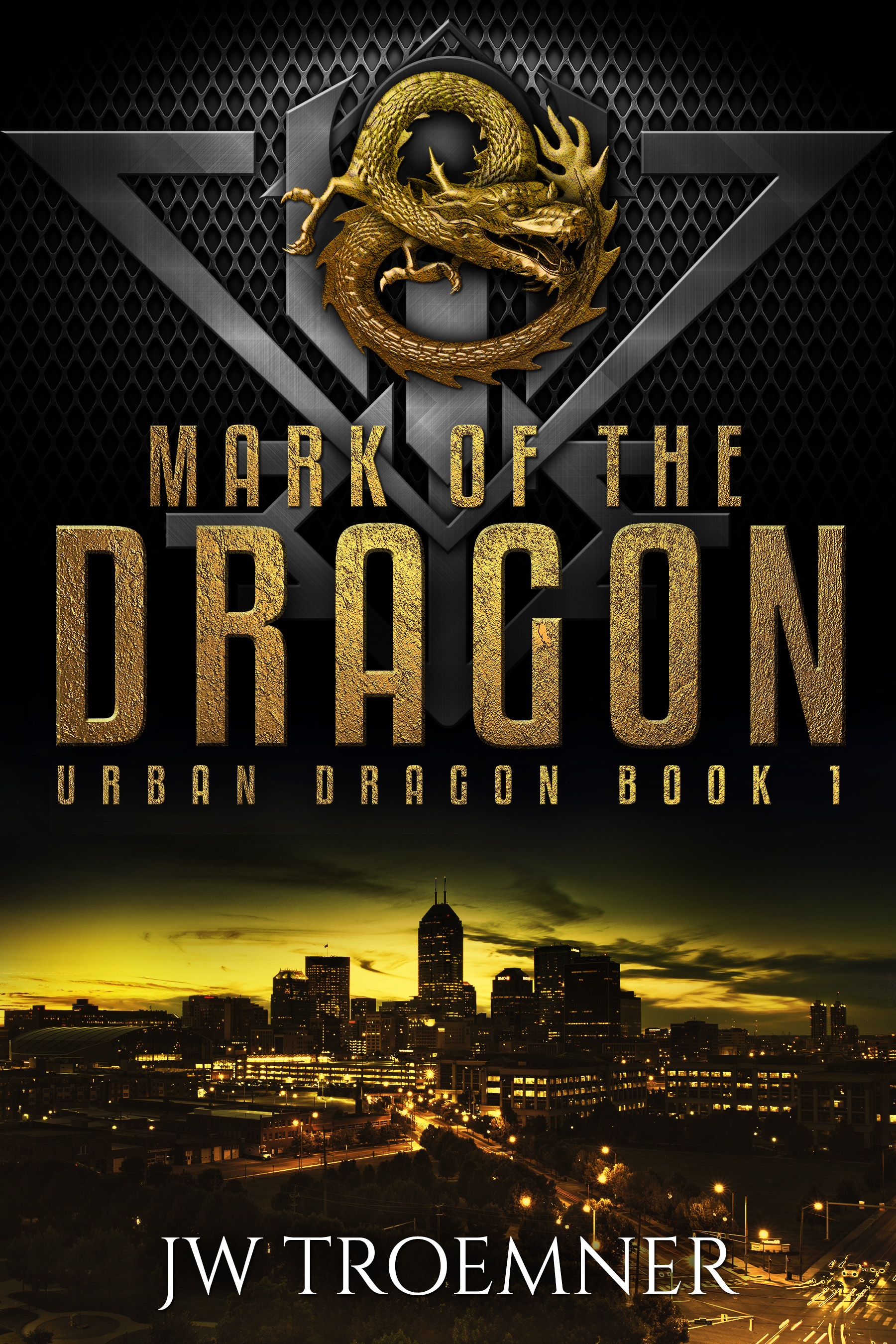
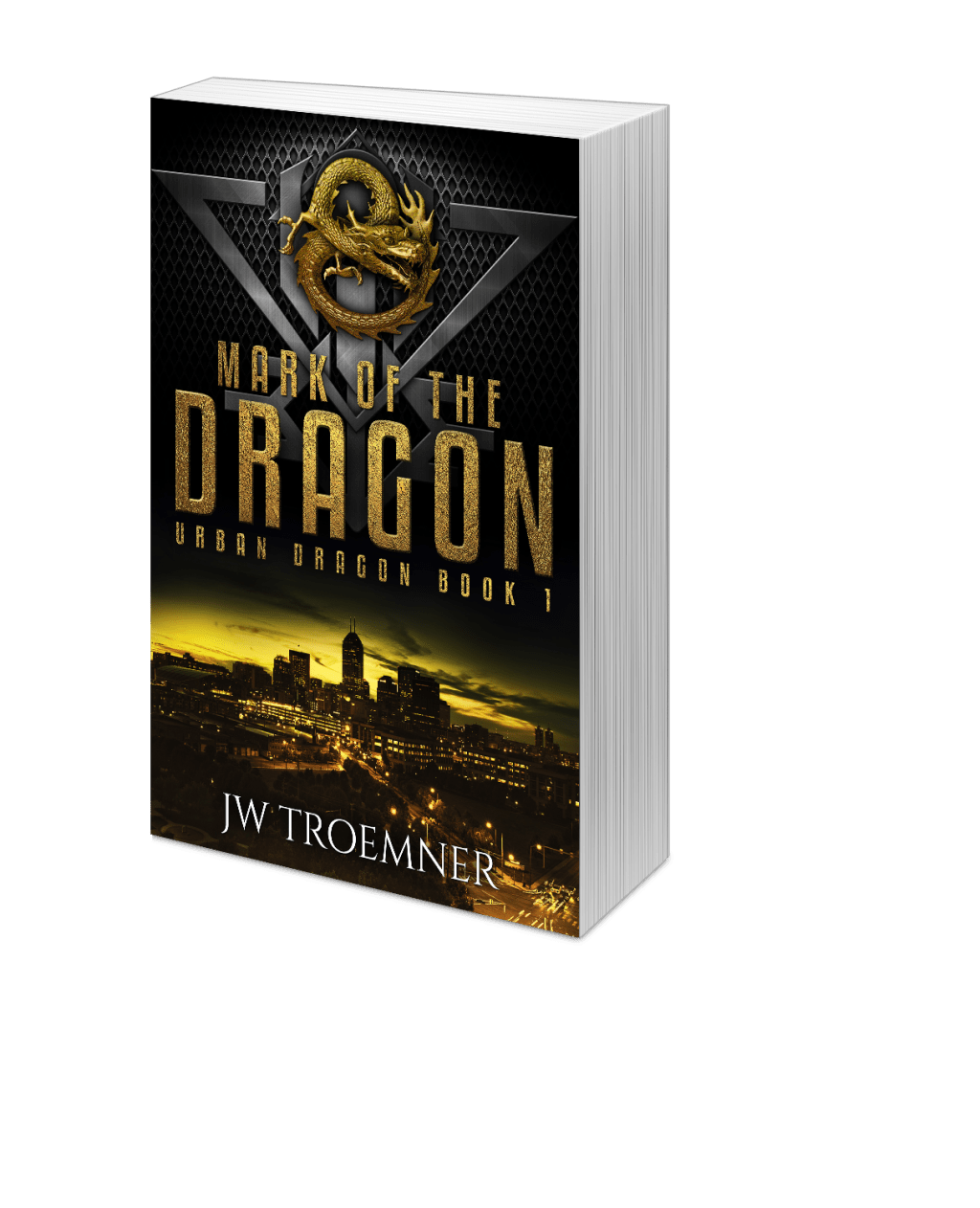
If you’ve been here before, you might have noticed the site’s new look. That’s because we’re unveiling the new cover for the first book of the Urban Dragon series: Mark of the Dragon.
What’s it about? I’m glad you asked.
Rosario Hernandez doesn’t ask for much. She’d like to sleep on a bed instead of a sidewalk, to know where her next meal is coming from, and maybe, if she’s really feeling optimistic, to get a girlfriend. More than anything, though, she wants her best friend Arkay to not murder anyone— because Arkay is a dragon, claws and all, and she has a penchant for vigilante justice.
When Arkay’s latest escapade goes sour, Rosario gets stuck with a stolen van and a cooler full of human organs. Now they’re on the run, and it’s not just the cops who want answers. The owner of the cooler is still out there, and they want to replace what they’ve lost— by any means necessary.
Urban Dragon will be hitting the shelves on September 3rd.
Be sure to add Mark of the Dragon on Goodreads, and follow me for more news on Facebook and Twitter, or subscribe to my mailing list to have updates delivered straight to your inbox.
If you’re reading this, then it’s because you have access to an internet connection. Maybe it’s on your phone, or in your home, or at your library, or through a friend. Maybe you live next door, or maybe you live oceans away from me. But no matter who you are or where you live, you’re reading this.
I’d like to take a moment to appreciate just how amazing that is.
In Goethe’s iteration of the tale of Faust, the titular doctor is frustrated (quite literally) to hell. He’s an academic at heart, but he’s at the limits of what he can learn with the resources available to him, so he summons spirits and elementals so that they can help him continue his education. That same thirst for knowledge eventually attracts the notice of the demon Mephistopheles, who offers Doctor Faust the education he craves in exchange for his immortal soul.
And this wasn’t an isolated incident, apparently. Books like the Ars Geotia and the Dictionnaire Infernal listing off demons and spirits who could be summoned to teach you astronomy, herb lore, or liberal science. And in a time and place where most of the population was illiterate, books were worth their weight in gold, and medical students had to hire grave robbers if they wanted to study human anatomy, summoning a demon might have seemed like the only possible way to learn more about the world around you.
In the modern day, there’s still some soul-selling involved in pursuing an education (these days we just call it student loan debt), but you don’t have to summon a demon to pursue knowledge. There are literally dozens of websites curating free online university classes to those who want an education (if not the degree that comes with it). Literature is opened up to the masses through libraries, ebooks, and sites like Project Gutenberg. Youtube is brimming with tutorials for anything from applying makeup to properly repairing a dishwasher. You can talk to people from around the world and learn about perspectives you never would have imagined possible. Anywhere you go, you’ll find websites and applications devoted to teaching you to speak new languages, to code, to design games, to meditate. And if all that fails, a little bit of courage and a working email address (or social media profile) can get you in contact with experts in any field that exists.
After what happened in Orlando this Sunday, I feel I need to say something.
But I think it’s more important for me to step back right now. There are voices you need to be listening to right now, and they’re not mine. But I will say this:



 We’re two days and change away from the official release of Mark of the Dragon, the first story in the Urban Dragon series.


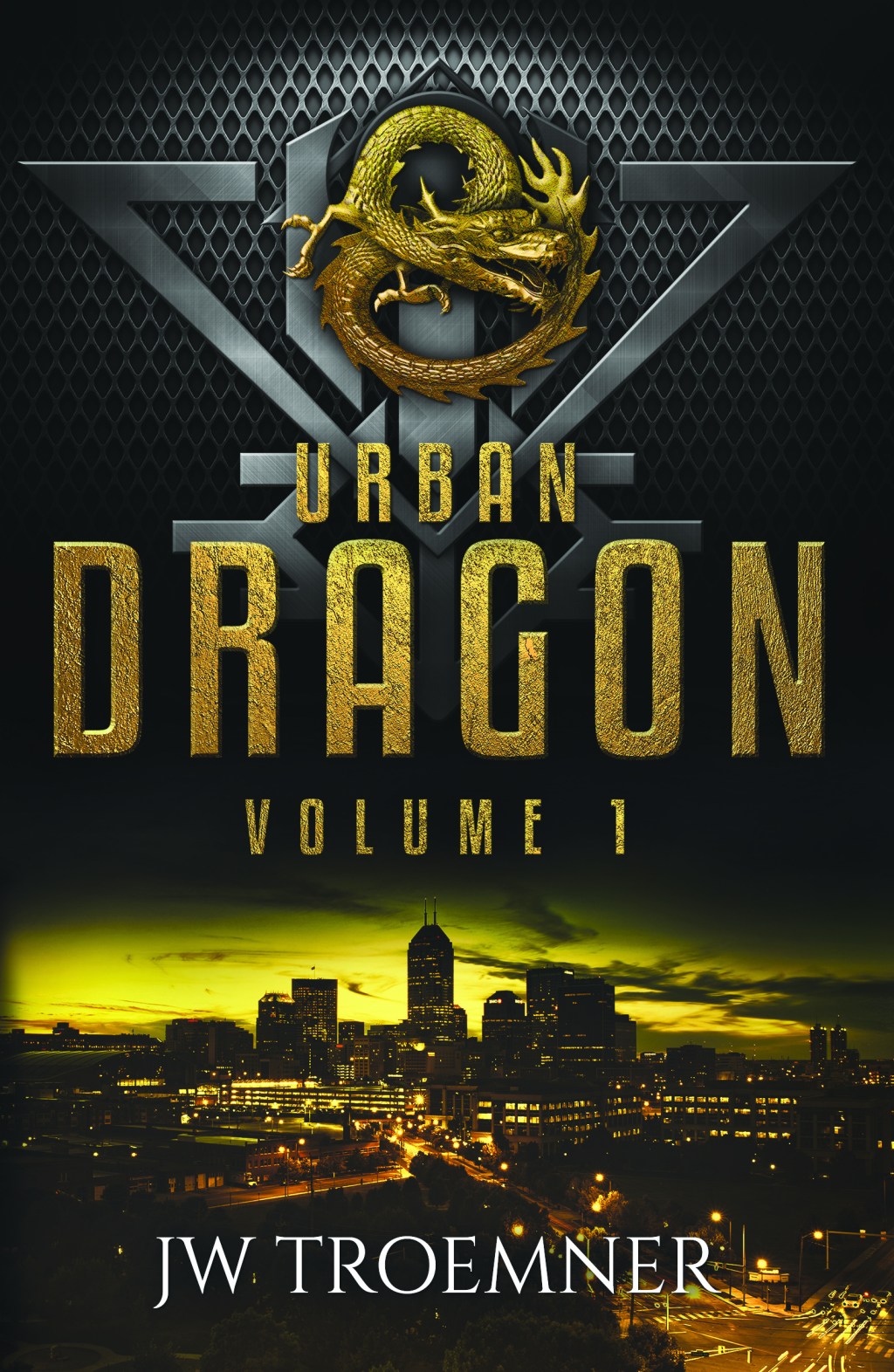
![Pageflex Persona [document: PRS0000032_00032]](https://jwtroemner.com/wp-content/uploads/2016/07/vol-1-cropped.jpg?w=195) A signed copy of Urban Dragon: Volume 1, which is a paperback collection of the first three books of the Urban Dragon series.
A signed copy of Urban Dragon: Volume 1, which is a paperback collection of the first three books of the Urban Dragon series.






 JWTroemner.com