


How do you refer to the island nation in the Pacific Ocean, roughly around 41* S, 175* E?
In 1642 it was named Staten Land by Dutch Explorer Abel Tasman, in 1645 Dutch Cartographers renamed it Nova Zeelandia in reference to a Dutch province, and “British explorer James Cook subsequently anglicized the name to New Zealand.” (NewZealandVacations.com)
But if you ask a whole lot of people– particularly the people whose ancestors lived there before the Dutch came around– they might instead refer to it as Aotearoa, which is a name being pushed for with greater momentum in the last several years thanks to the efforts of Māori activists, with many around the world starting to adopt Aotearoa New Zealand to refer to the land. Though even that name doesn’t tell the whole story.
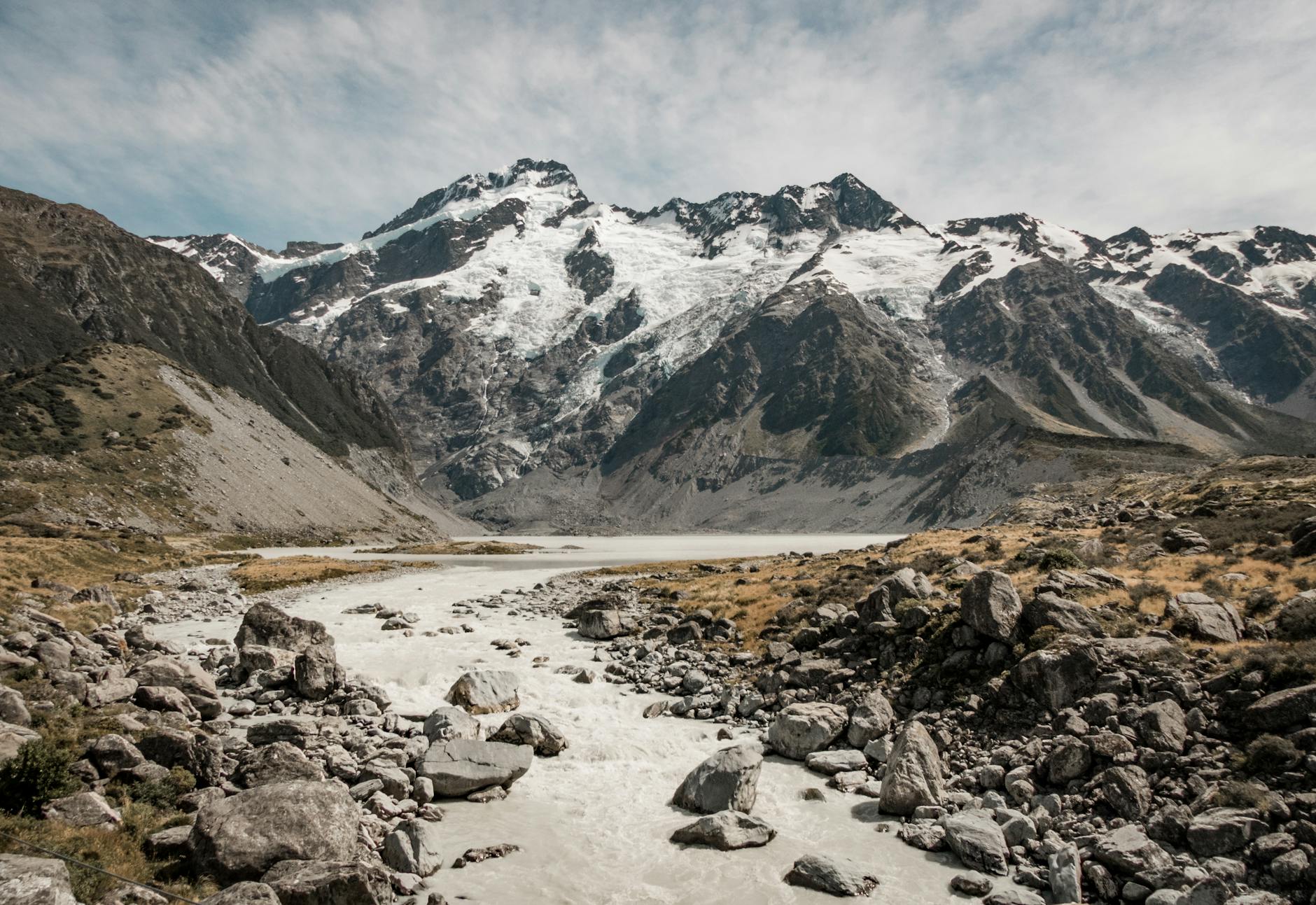
“This name has evolved in fairly recent times to refer to the entire country but as Edward Ellison, a leader of South Island tribe Ngāi Tahu says, his community doesn’t consider this name to include their island, which they call Te wai pounamu (literally, ‘the Greenstone waters’). Ellison and his people are more likely to say Aotearoa me Te wai pounamu to describe both major islands, “otherwise we feel sort of forgotten about,” he says. You could look at this tribal difference as complicated, but for us, it’s a relief to see tribal distinctions still exist, having passed through resilient generations.” (Stacy and Scott Morrison on CN Traveler.com)
Each one of those names carries with it the weight of its history. Which name you use for a place speaks volumes about what entities hold power and control, who and what is honored and why– and in our history, that often comes with the baggage of imperialism and colonialism. More recently the wounds left by those systems are being acknowledged, with name changes often taking on a significant role as a symbol of the governing body’s intentions toward moving forward– such as the case with Mount Blue Sky in Colorado, previously named Mount Evans “after a disgraced governor of the state who led a massacre against indigenous people.” (Gloria Oladip on TheGuardian.com). This article by Tatiana Flowers in the Colorado Sun goes into detail about the process of renaming that mountain, the flood of different names that was considered, and the reasoning behind their proposal and rejection– it’s a fascinating read that I couldn’t hope to sum up properly.
But these debates bring to light a question that world-builders ought to keep in mind about what a place’s name says about that relationship between history, the people in power, and their own goals.
This is the second installment of a four-part series on choosing names and why they matter.
Part 1: A Person by Any Other Name
Part 2: Politics of Place
Part 3: A Take on Taxonomy
Part 4: Imaginary Worlds


 JWTroemner.com
Leave a reply to On Names: A take on taxonomy – JWTroemner.com Cancel reply